

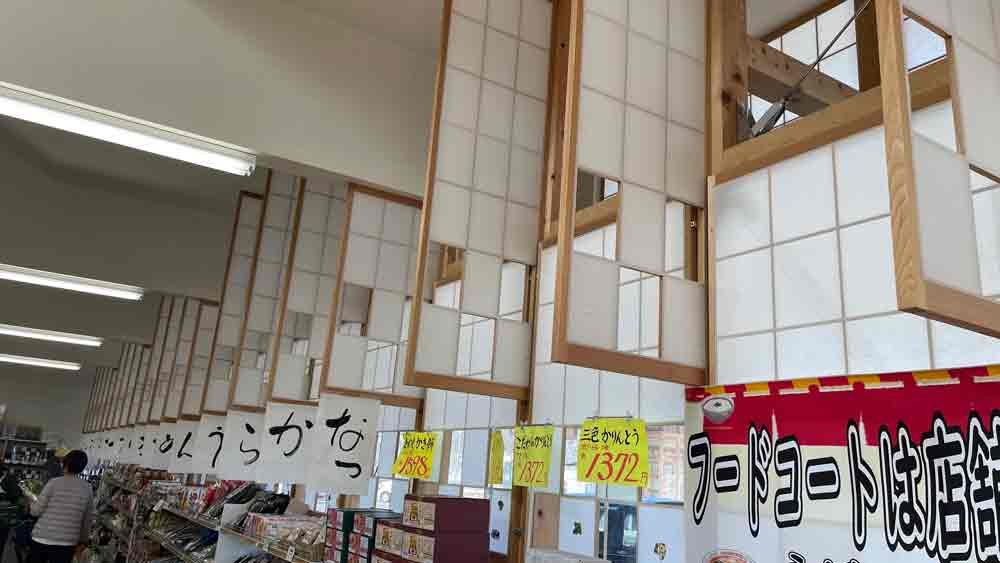
How to Make Washi: The Traditional Japanese Paper
February 23, 2026
Traditional Japanese Washi paper is significantly more durable than ordinary paper. While most paper deteriorates and yellows when exposed to light, Washi possesses a unique quality: light actually causes the yellowish tones to fade, making the paper whiter and more beautiful over time. It is a mysterious material that ages with grace.
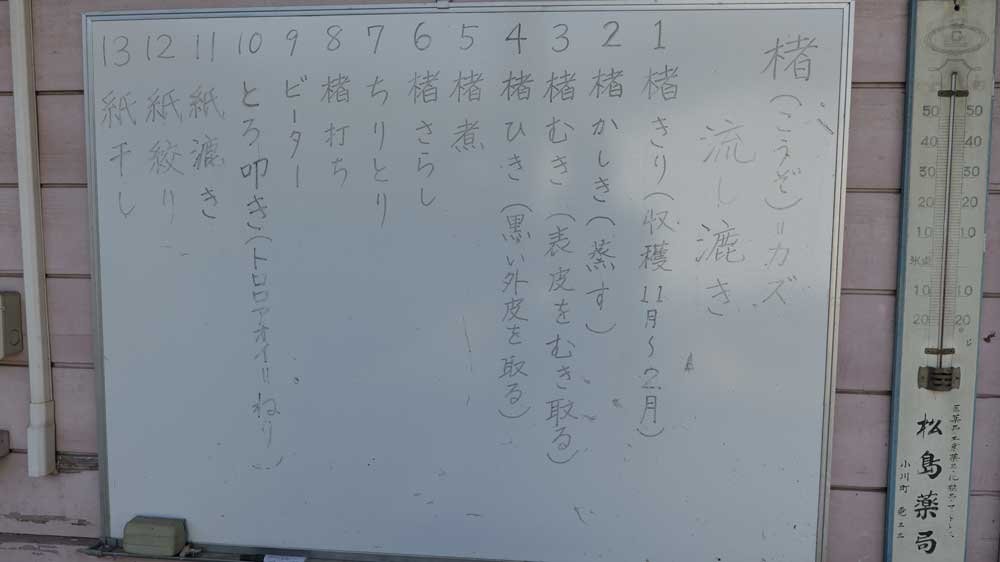
Today, I would like to briefly explain the main stages of this process, alongside scenes from our workshop in winter.
Raw Material: Kozo (Mulberry)
The fibers used for Washi are harvested from the "Kozo" (mulberry) tree. The harvest takes place during the winter months, from November to February.
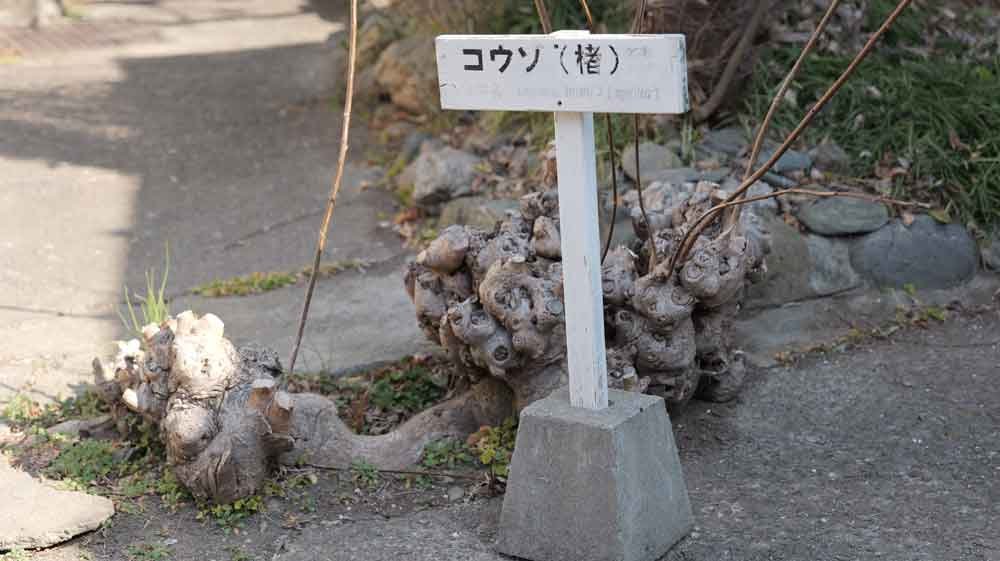
While ordinary paper is made from wood pulp (the core of the tree), Washi uses only the tough fibers of the bark. This is what gives the paper its incredible strength and longevity.
Preparation: Drying and Boiling
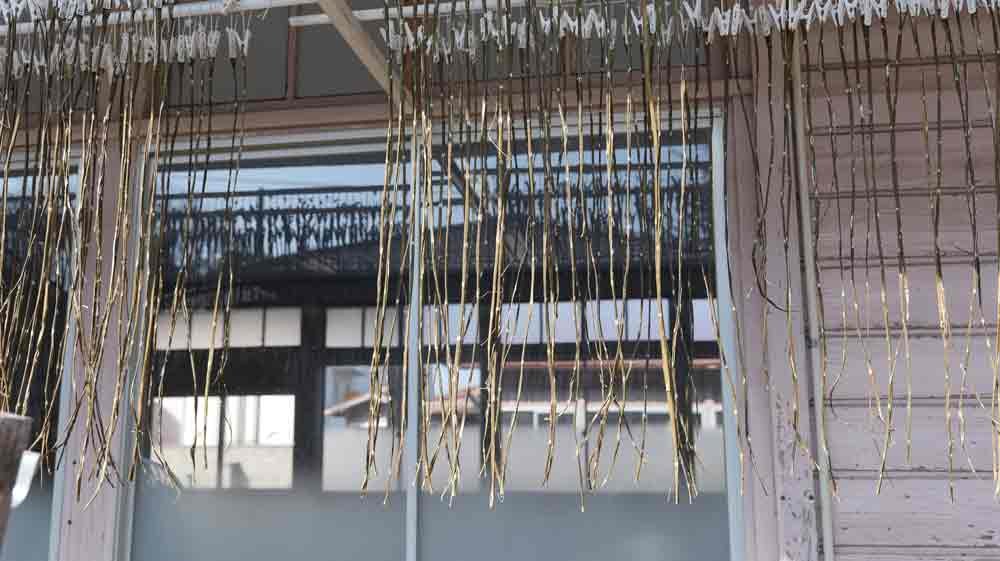
The careful process of drying the bark
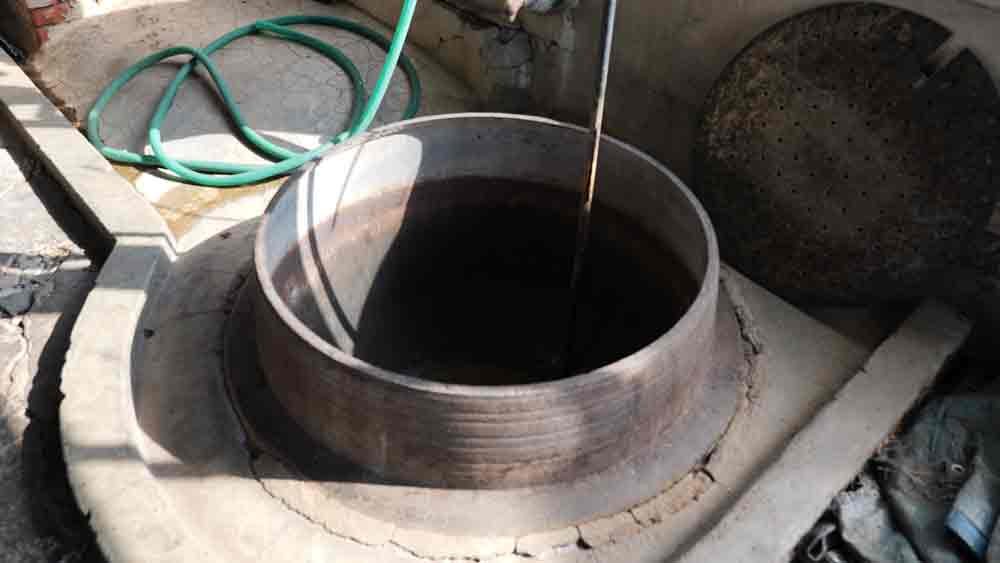
A large kiln that has been used for boiling bark for decades
Kamisuki (Paper Screening)
After many long steps, we finally reach "Kamisuki," the act of forming the paper. The fibers are scooped into a wooden tray (keta) and spread into a thin, even layer.
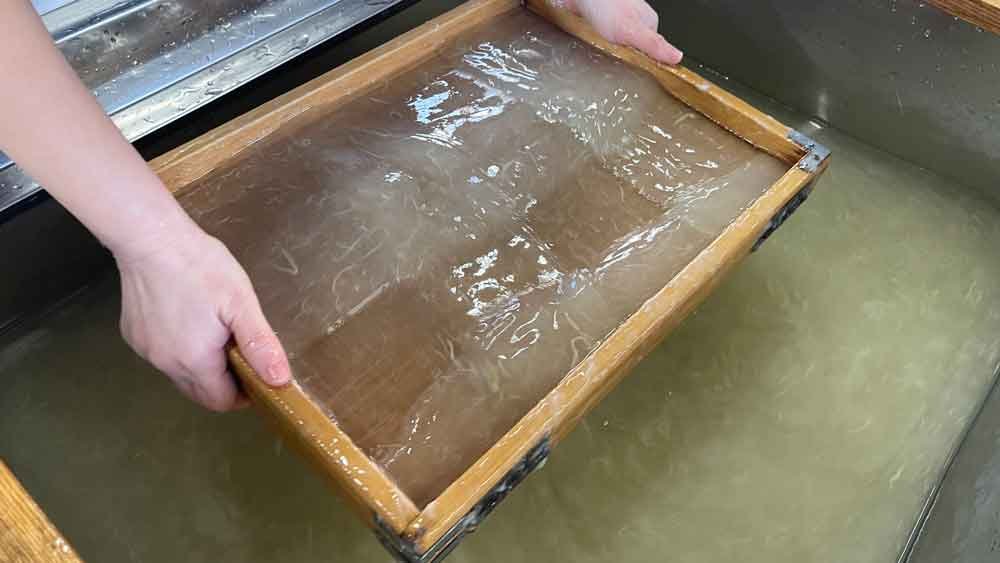
The use of ice-cold water tightens the fibers, creating a higher quality of paper. For this reason, the finest Washi is said to be produced in mid-winter.
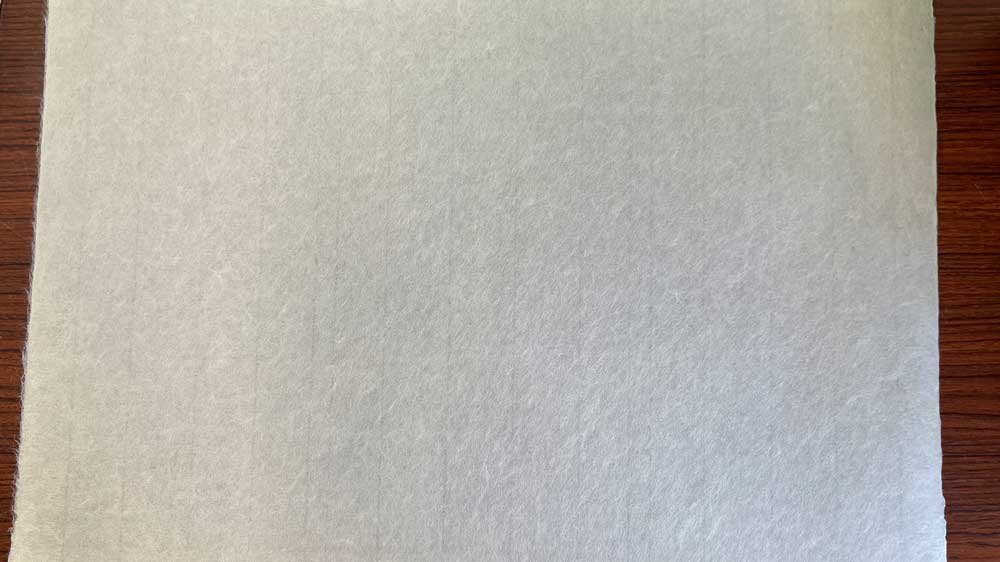
Completion: The Finished Washi
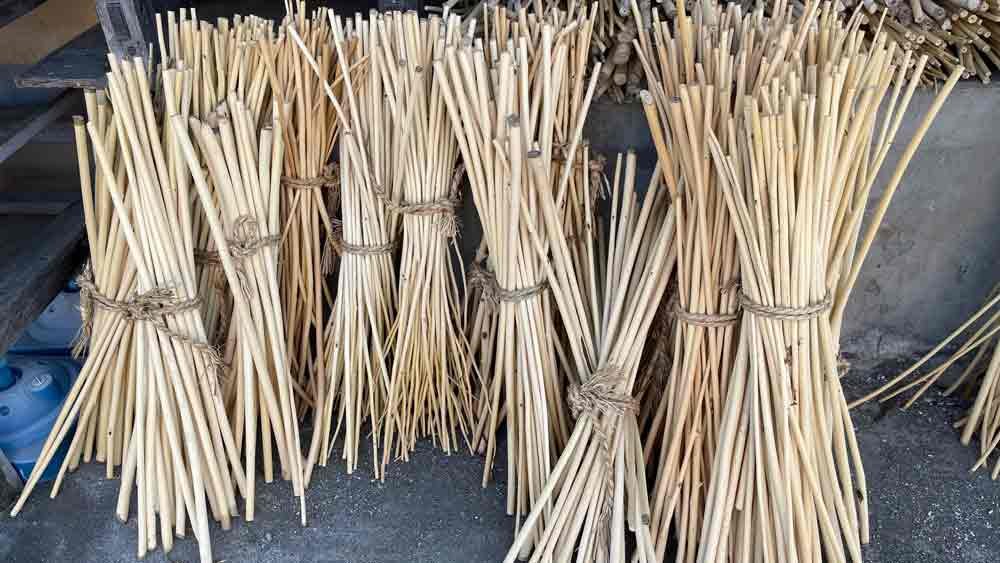 By the way, the wooden cores of the Kozo left after the bark is removed are often given away for free to locals to be used as firewood. This is part of a sustainable cycle that wastes nothing from nature.