

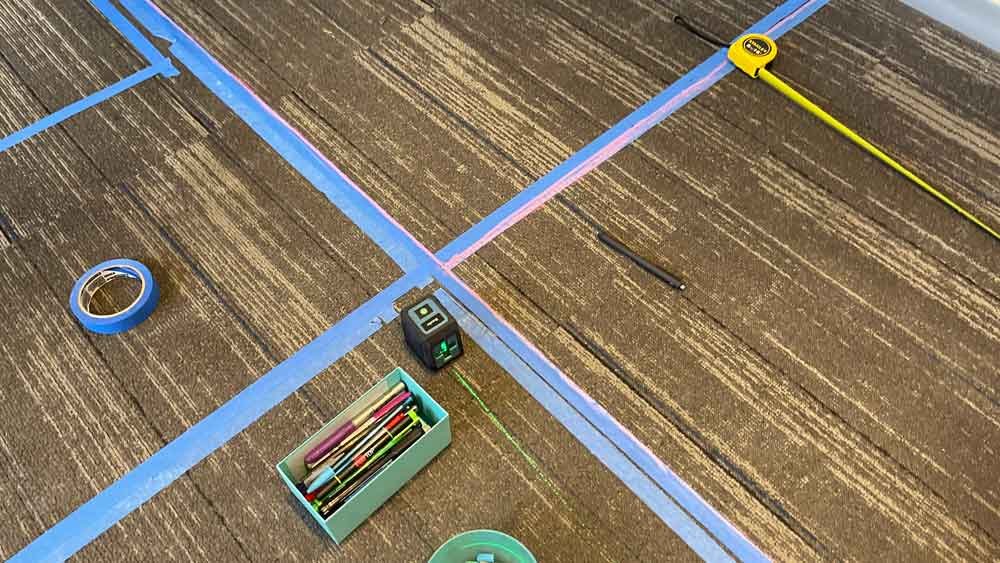
The Difficulty of Installing Tatami in the Whole Room: I Went to Mexico to Take Measurements
February 13, 2026
In December 2025, I was in Mexico to take the final measurements for a client. Since we were installing tatami in three rooms, we didn't finish the measurements in a single day, and it took us more time than expected.
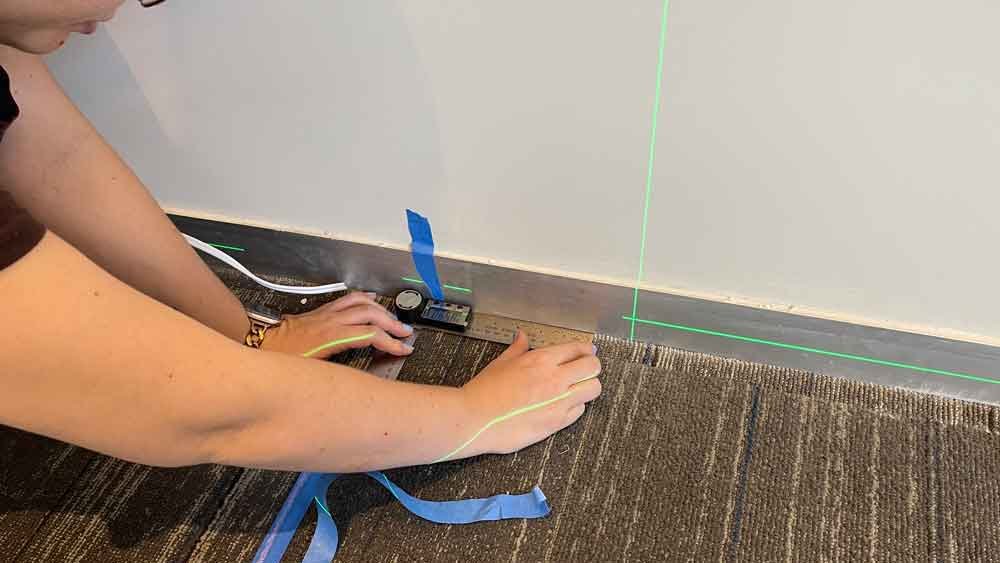
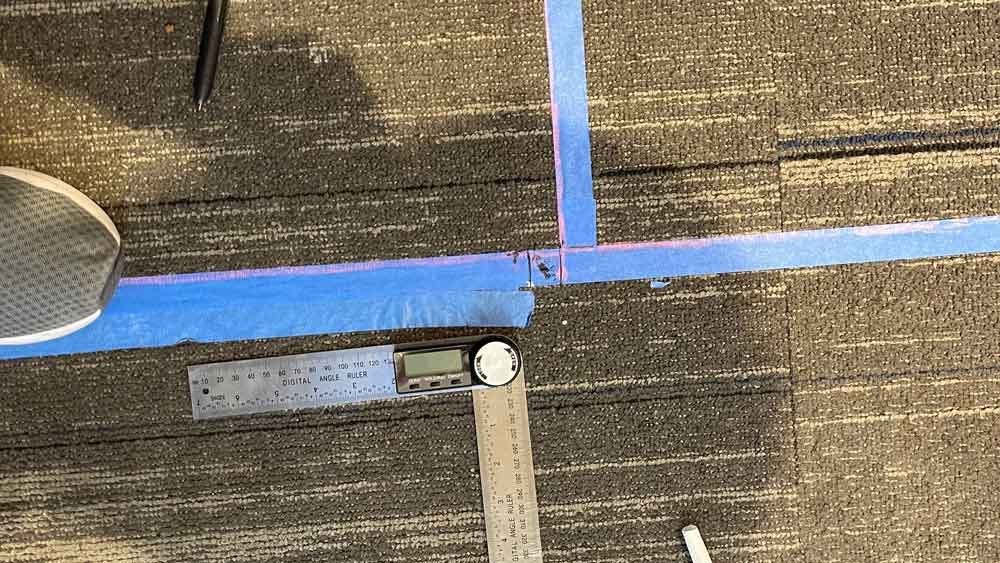
The most important thing to consider when installing tatami wall-to-wall is ensuring they don't end up being too large to fit. You don't need to be overly anxious, but it's better to manufacture the mats a few millimeters smaller than the actual measured size; in fact, this is standard practice for international orders.
The risk of tatami not fitting arises because room walls are rarely perfectly straight, and the four corners are seldom a precise 90-degree angle. It is generally said that even a 3-millimeter measurement error can prevent the tatami from fitting into place.
Furthermore, tatami mats have a characteristic of expanding slightly due to mutual pressure when laid together. Therefore, if they are made to the exact measured size, there is a high possibility they won't fit.
[Advice]
The most recommended option for our overseas clients is to dedicate a specific area of the room for tatami rather than covering the entire floor.
If you still wish to cover the entire surface, the best approach is to make them slightly smaller. If a small gap appears between the tatami and the wall, it can be covered with a wooden strip. This is a common method even in Japan.
In this case, the client had planned to hire a specialized measurement company to achieve zero margin of error. However, since the measurement method required for tatami is unique, hiring third-party contractors wouldn't be effective. For that reason, I traveled personally to perform the measurements.
As a side note, the margin of error for a master tatami craftsman is generally said to be just 0.1 mm.