

Our Craftsmanship: The Potential of New Tatami
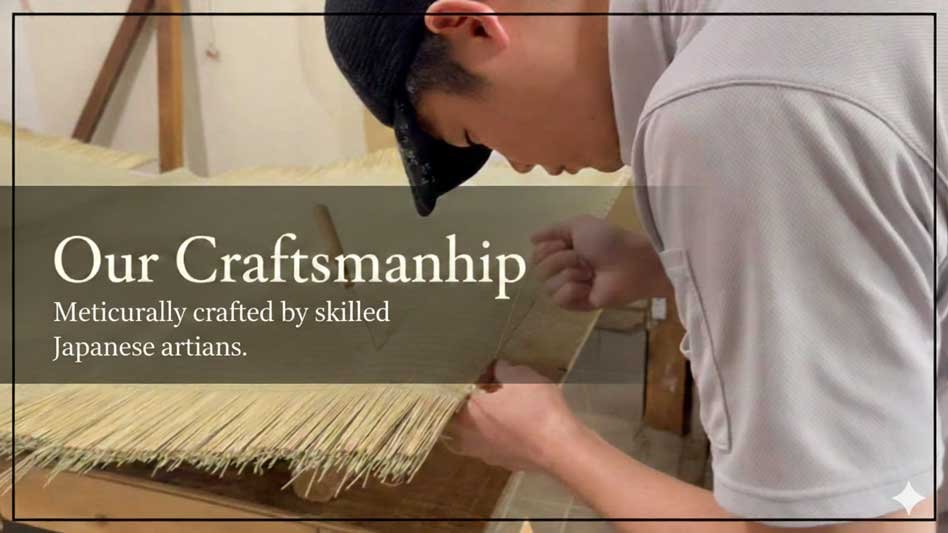
Tatami is a staple of Japanese homes and Ryokans, but delivering it worldwide presents significant hurdles in terms of weight and size. We have encountered customers looking for tatami as gifts or for unique purposes not typically seen in Japan. We are constantly innovating to overcome these challenges and bring authentic tatami to our international customers.
About Us
Our tatami is crafted in Tokyo. We operate under the name "Kyoto_Tatami" because we provide traditional tatami techniques learned during years of training in Kyoto. While rush grass (Igusa) is available from both China and Japan, we prioritize Japanese-grown Igusa for its superior durability, high density, and better fragrance, unless otherwise specified.
Our journey into international sales began in Mexico, where we first faced two major challenges: the excessive weight of traditional 5.5cm thick tatami increasing shipping costs, and the refusal of air freight carriers to accept standard-sized mats.
Setting 3cm as the Global Standard
To solve these issues, we established a 3cm thickness as our global standard. This thickness strikes the perfect balance between price, durability, and that authentic tatami feel. While 1.5cm mats exist, authentic tatami is designed to last for decades. If it is too thin, the essential "stepping sensation" of the mat changes completely.
Development of Foldable Tatami
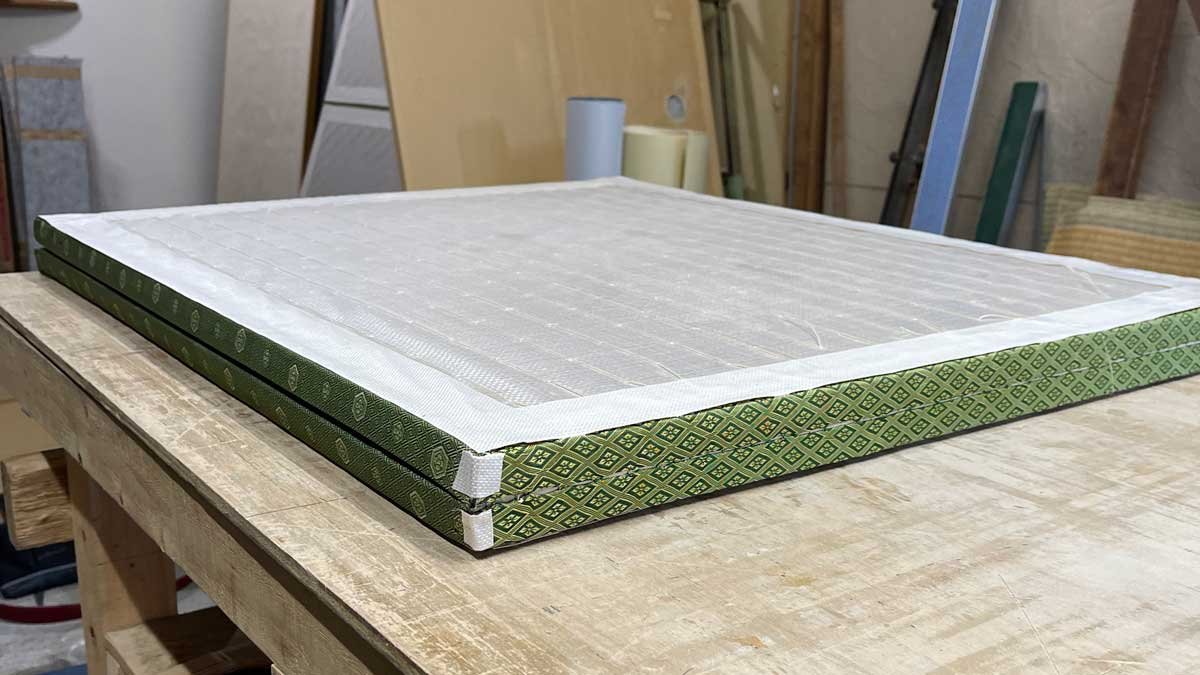
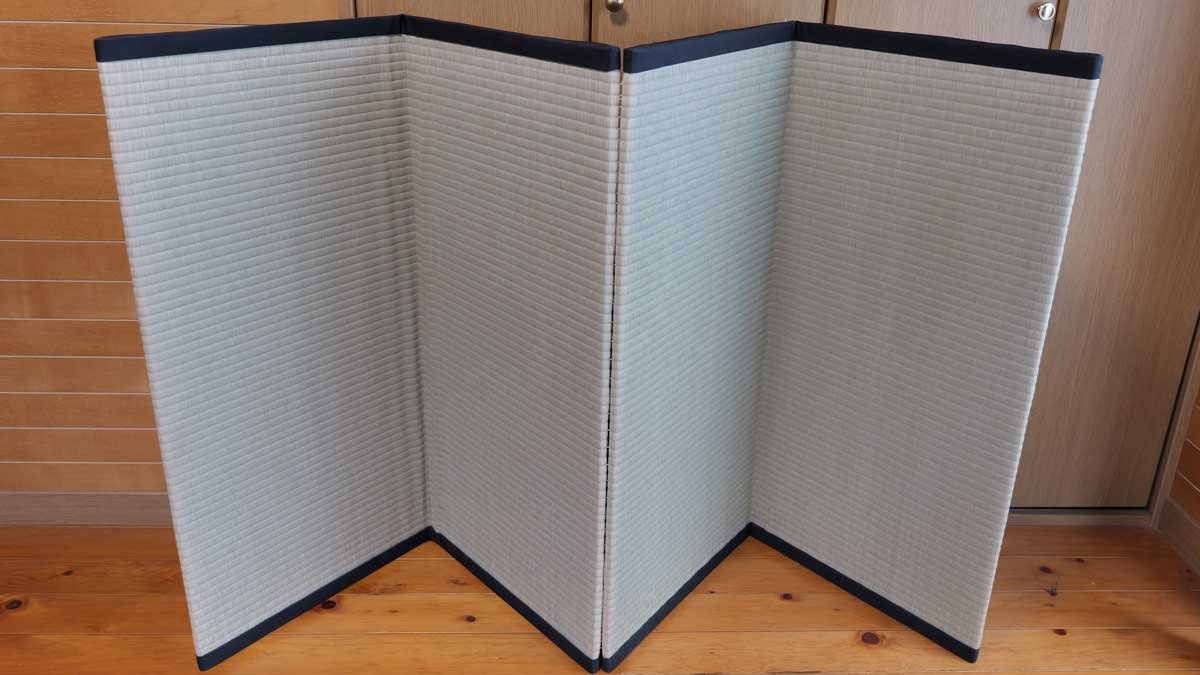
Standard tatami sizes are often rejected by air couriers or incur extremely high shipping fees. To address this, we developed 2-fold and 4-fold tatami for the international market. These have received high praise for being easier to install and much more convenient to store.
Regarding the Fold Lines
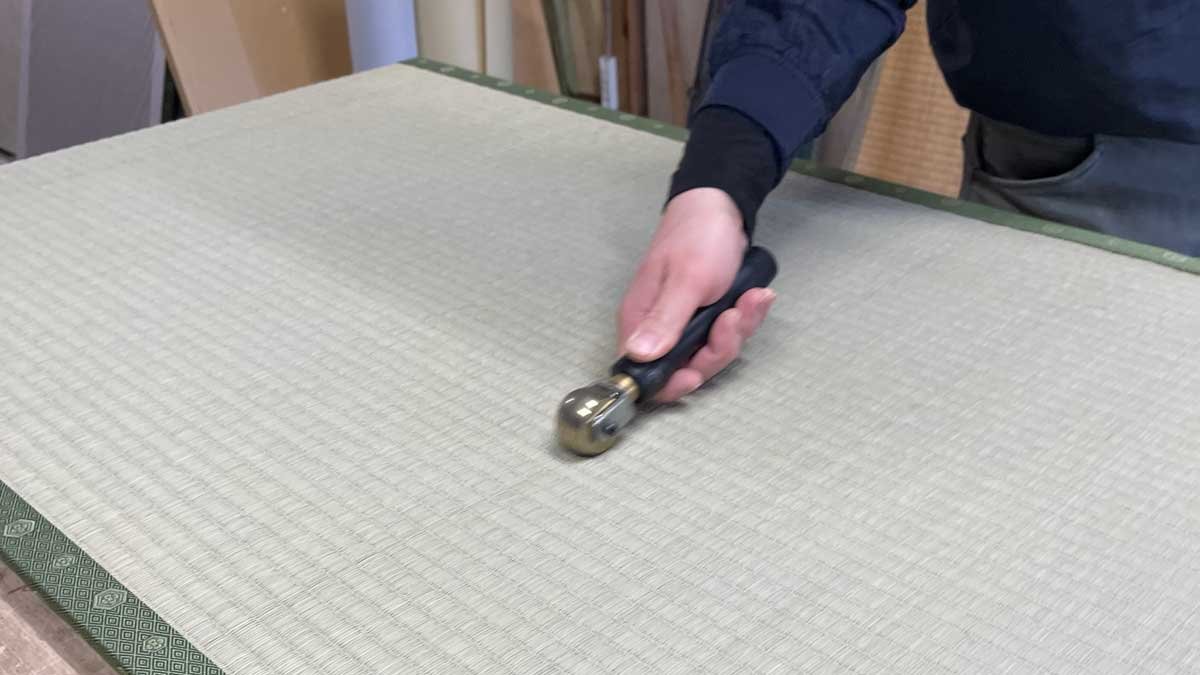
If you are concerned about the creases at the folds, using a roller after installation will help them blend in and become less noticeable. Even without treatment, they will naturally fade over time.
Invisible Seam Specification
While this is a matter of preference, we craft our tatami so that the seams are inconspicuous. We believe this provides a much cleaner and more premium aesthetic.
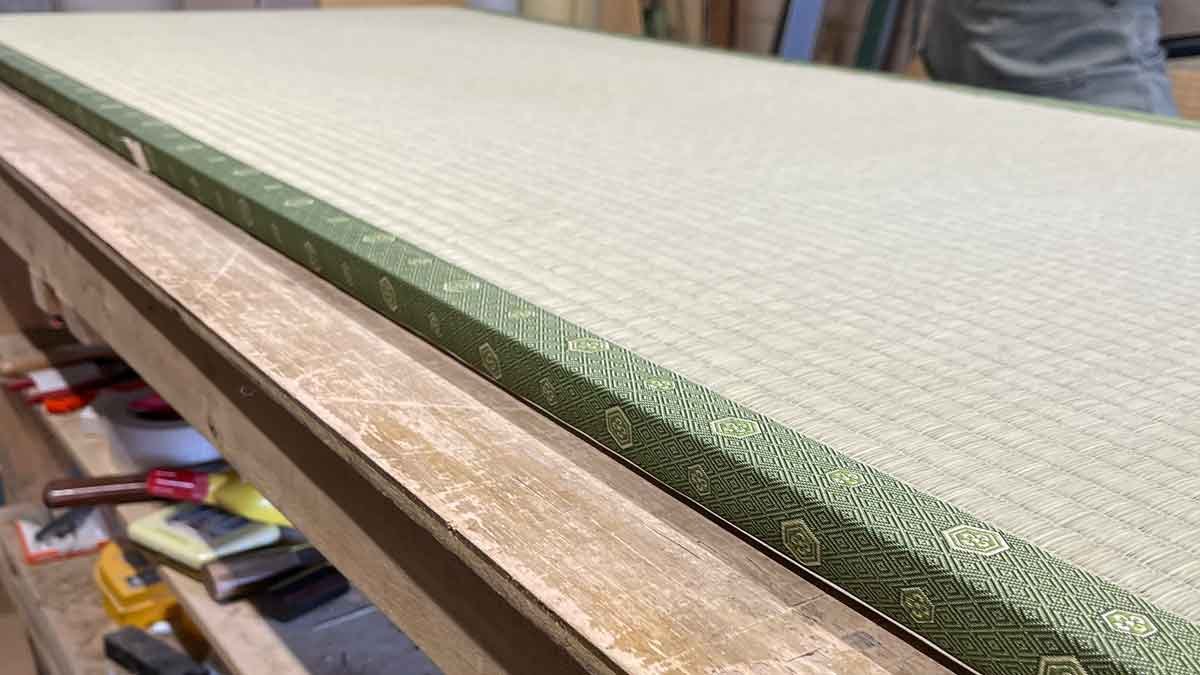
Tatami vs. "Tatami Mattresses"
Many products sold as "Tatami" on platforms like Amazon are not actually used in Japan. They often use soft, cushiony materials like polyester. If you are looking for authentic Japanese tatami, please pay close attention to the internal materials. True tatami uses wood boards or rice straw cores, which provide the signature durability and firm feel underfoot.
Specialized Development for New Uses
In Japan, tatami is considered flooring, but many of our international customers view it as a type of carpet. We realized we need to develop tatami suited for lifestyles outside of Japan. We are currently working on new designs to expand the possibilities of tatami. Please follow our Instagram and website for upcoming announcements!